NHL 27 Franchise Mode Guide
An NHL 27 Franchise Mode guide covering how to start a dynasty, manage the salary cap, make trades, run the draft, sign contracts, and plan multiple seasons.
Updated 2026-07-13
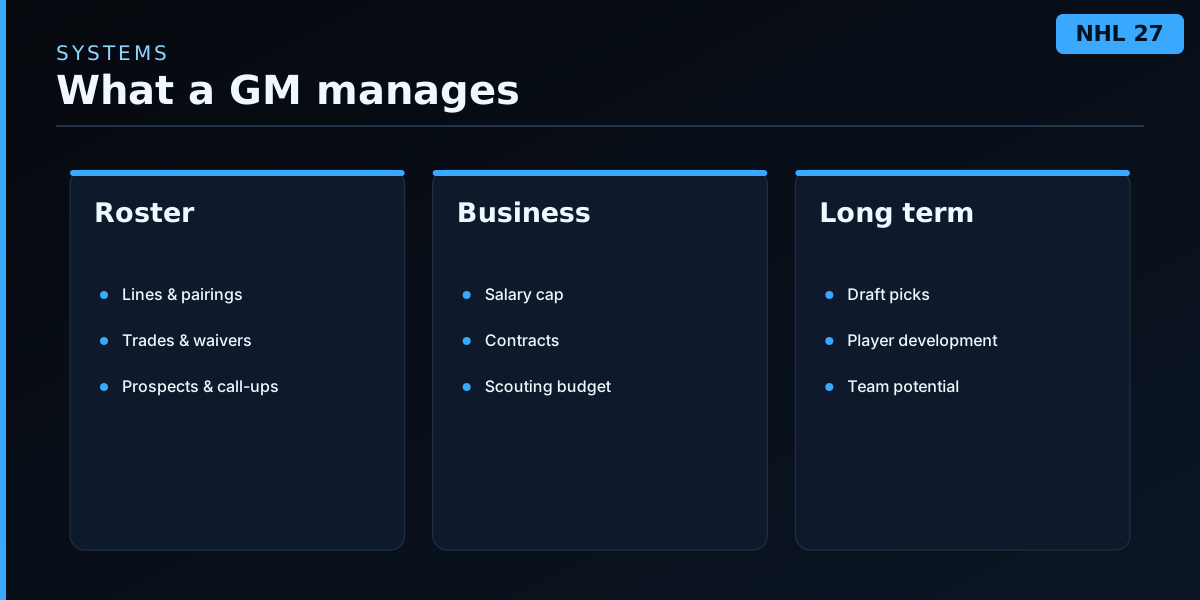
NHL 27 Franchise Mode is the long-form GM and dynasty mode where you run one club across many seasons, controlling trades, the draft, scouting, the salary cap, contracts, and staff. This guide is built on how the mode worked in NHL 26, which EA has not yet detailed for NHL 27; the mode is expected to return with the same core structure. Everything below is written as a practical starting plan for beginner and intermediate players who want to build a contender rather than reset the standings every year.
The mode splits into two paths: take over one of the 32 existing NHL teams, or run a 33-team expansion draft and build a new franchise from a protected-player pool. This guide walks through starting a save, reading the cap sheet, trading without gutting your future, drafting and scouting prospects, handling contracts and staff, and planning three to five seasons ahead. For the mode’s feature list see the franchise mode overview, and if you are new to the game start with the beginner guide first.
Starting a franchise: existing team vs expansion draft
Your first choice in NHL 27 Franchise Mode is which team to run. Picking an existing club inherits its current roster, cap situation, prospect pool, and draft picks, so a strong team like a cap-tight contender plays very differently from a rebuilding team with open space and high picks. Beginners should pick a team with a clear core and some cap room, which lets you learn trades and signings without immediate crisis.
The alternative is the expansion draft, which creates a 33rd franchise. Each existing team protects a set number of players, and you select one available player from every club to fill your roster, plus draft picks to seed your future. This path is harder because you start with a thin, mismatched roster, but you control the identity from day one and inherit no bad contracts. Choose a home market, branding, and arena, then treat year one as evaluation: play the young players, bank cap space, and stockpile picks. Expansion is the recommended path once you understand the cap and trade systems, not on a first save.
Managing the NHL 27 salary cap
The salary cap is the single constraint that shapes every decision in NHL 27 Franchise Mode. Every team shares the same upper limit, and your active roster’s total cap hit must stay under it. Overpaying one star reduces what you can spend everywhere else, so the goal is value: production per dollar, not just the highest overall ratings.
Watch three numbers on the cap sheet. First, current cap space, which tells you what you can add today. Second, projected space next season, which matters because young players on cheap deals will need raises. Third, retained salary, which lets you keep part of a traded player’s cap hit to make a deal work. A few habits keep you healthy: avoid stacking long, expensive contracts on players over 30; keep at least one cheap, productive line to balance star salaries; and use entry-level deals from the draft as your best value. Long-term injured reserve can free temporary space, but do not build a roster that only fits when someone is hurt.
Trades and trade logic in NHL 27 Franchise Mode
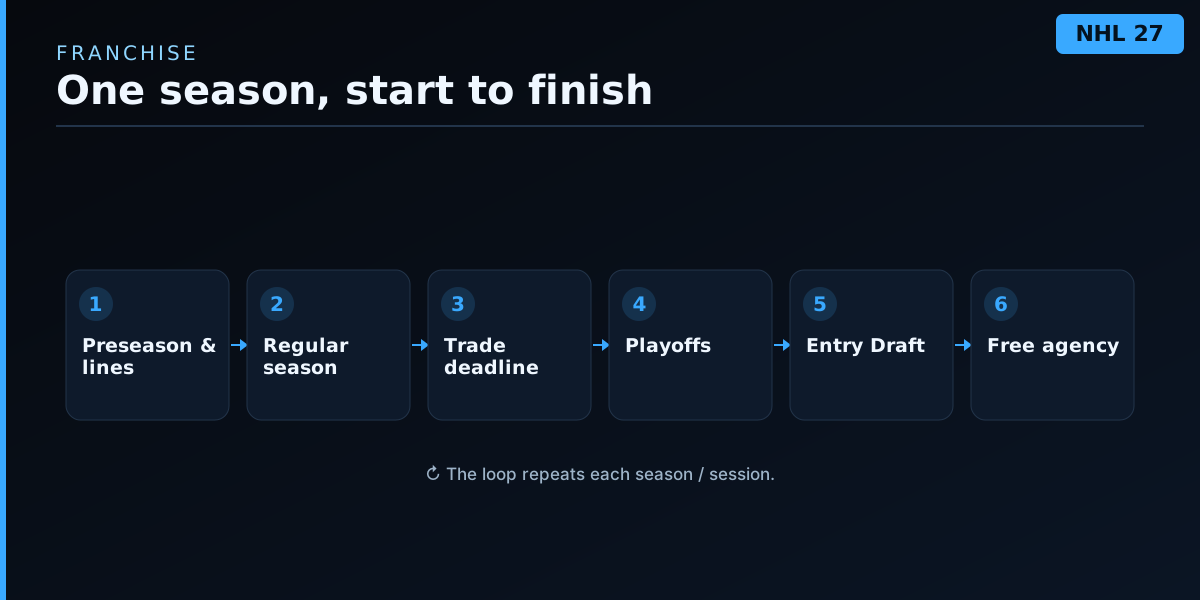
Trades in NHL 27 Franchise Mode are governed by a value model, so the AI weighs a player’s overall rating, age, contract length, cap hit, and position against what you offer. A lopsided pitch gets rejected; to move a good player you generally give up comparable value or add a sweetener like a draft pick or a prospect. Selling teams late in a losing season pay more in picks for a veteran (the deadline rental), while contenders overpay to add at the same point.
| Situation | Buy or sell | Typical target |
|---|---|---|
| Contending, cap space open | Buy | Veteran on an expiring deal |
| Rebuilding, veterans on the roster | Sell | Draft picks and young prospects |
| Cap-tight but deep | Trade laterally | Swap surplus position for need |
Use trades to fix roster shape, not to collect stars you cannot afford. If you are strong at center and thin on defense, trade from your surplus. Retained salary and future picks are your two best tools for closing a value gap the AI will not otherwise accept.
The amateur draft and scouting
Every season ends with an amateur draft, and your prospect pool is the cheapest way to build a roster because drafted players sign entry-level contracts. Scouting is how you learn who to pick. You assign scouts to regions and to specific prospects during the season, and their reports narrow a player’s rating range and reveal potential. Early in the year a prospect shows a wide range; sustained scouting tightens it so you draft with more certainty.
Prioritize scouting the range of picks you actually hold. If you own a mid-first-round pick, focus scouts there rather than on projected top-three players you cannot reach. Trade for extra picks when rebuilding, because volume raises your odds of hitting on a future top-six forward or top-pair defenseman. After drafting, decide whether each prospect develops in juniors, the minors, or on your NHL roster; the right level speeds development, while rushing a young player onto a bad team can stall it.
Contracts, staff, and multi-season planning
Contracts control both your cap and your continuity. Re-sign core players before their deals expire to avoid bidding wars, and offer term that matches age: longer deals for players in their prime, shorter deals for aging veterans you may need to move. Staff matter too. Coaches shape your lines and system, and better scouts and development staff improve prospect projection and growth, so treat those hires as part of the roster, not an afterthought.
Multi-season planning is what separates a one-year run from a dynasty. Map your cap two and three years out, note when entry-level deals expire and raises hit, and keep a mix of ages so your whole core does not decline at once. A simple rhythm works: contend while your window is open, sell veterans for picks when it closes, and reload through the draft. One rumored addition, not confirmed by EA, is GM Connected, an online franchise letting multiple human GMs run teams in a shared league; if it ships it would add real managers as your trade partners. Until EA details NHL 27 Franchise Mode, plan around the single-player structure above, and browse the teams list to pick your first save.